
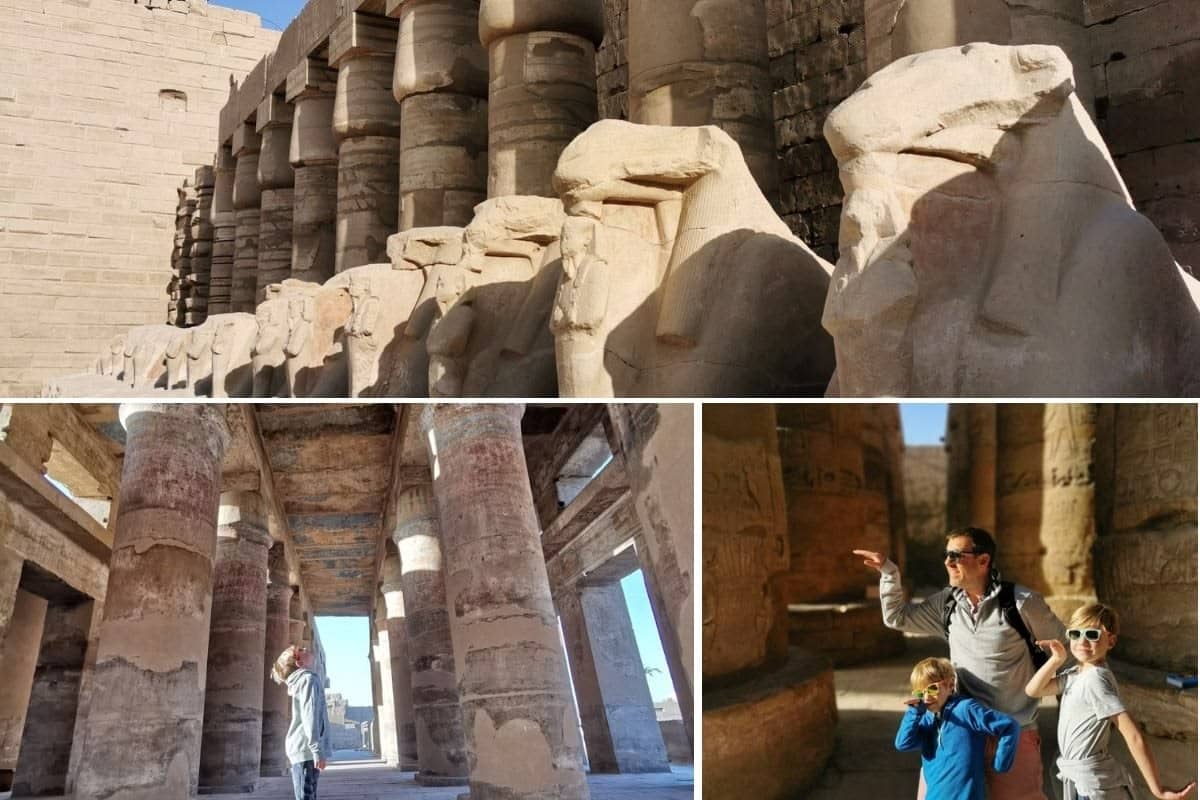
Welcome to Luxor, the world’s greatest open-air museum and the crown jewel of Upper Egypt. If you are planning an unforgettable vacation from the United States, exploring the ancient city of Thebes is a non-negotiable item on your bucket list. To help you navigate this historical wonderland, we have curated the ultimate guide to the best things to do in Luxor, featuring iconic landmarks, hidden gems, and expert tips for an unforgettable journey.
Whether you want to decode ancient hieroglyphs during an immersive valley of the kings tour or marvel at massive columns on a guided karnak temple tour, expert-led luxor tours offer a profound connection to the ancient world. At Viator Egypt, we specialize in crafting private, seamless journeys tailored to your pace. Read on to discover the 10 best activities to include in your Egyptian itinerary.
What Makes Luxor Tours Essential for American Travelers?
Luxor tours are private or guided excursions designed to help you explore the sprawling ruins of ancient Thebes. Straddling the majestic Nile River, the city is divided into two distinct halves: the East Bank, representing the city of the living, and the West Bank, representing the city of the dead.
Unlike standard sightseeing destinations, Luxor requires careful logistical planning, knowledge of local customs, and deep historical context. Opting for a professional tour ensures you bypass confusing ticket lines, beat the intense North African heat, and gain a profound understanding of pharaonic history with a licensed Egyptologist.
The 10 Best Things to Do in Luxor
1. Book a Guided Valley of the Kings Tour
No trip to Egypt is complete without a valley of the kings tour. Tucked away in the rugged desert hills of the West Bank, this legendary necropolis served as the final resting place for New Kingdom pharaohs—including Tutankhamun and Ramses the Great—for nearly 500 years.
- Why it’s a must-do: Walk deep into the earth to view over 60 subterranean tombs covered in remarkably preserved, vibrant hieroglyphs and sacred funerary texts.
- Practical Tip: Arrive at the 6:00 AM opening time to beat the heavy midday heat and tour groups. Standard tickets allow entry to three tombs, while famous sites like King Tut's tomb require an extra fee.
2. Experience a Majestic Karnak Temple Tour
Spanning over 200 acres, a karnak temple tour exposes you to the largest religious complex ever constructed. Dedicated primarily to the god Amun-Ra, this monumental site was expanded by generation after generation of pharaohs.
- Why it’s a must-do: The sheer scale will leave you speechless, particularly when standing inside the Great Hypostyle Hall, a "forest" of 134 colossal stone columns.
- Practical Tip: Visit in the late afternoon when the soft golden sun casts dramatic shadows across the stone obelisks and the Sacred Lake.
3. Admire the Architectural Marvel of Hatshepsut’s Temple
Nestled against the sheer limestone cliffs of Deir el-Bahari, the Mortuary Temple of Queen Hatshepsut is a breathtaking testament to one of Egypt’s most successful female pharaohs.
- Why it’s a must-do: Its three terraced colonnades look remarkably modern and blend seamlessly into the dramatic desert backdrop.
- Practical Tip: Combine this with your morning West Bank itinerary right after visiting the nearby Valley of the Kings.
4. Discover the Vibrant Reliefs at Medinet Habu
Often overlooked by mass tourism, the Mortuary Temple of Ramses III at Medinet Habu is one of Luxor’s best-preserved and most visually stunning monuments.
- Why it’s a must-do: The interior walls boast some of the brightest, most intact painted reliefs in Egypt, depicting historical battles against the mysterious "Sea Peoples."
- Practical Tip: Enjoy a peaceful, unhurried exploration here away from the heavier crowds found at larger sites.
5. Explore the Beauty of the Valley of the Queens
Located just south of its royal counterpart, the Valley of the Queens is the final resting place of royal wives, princes, and princesses.
- Why it’s a must-do: It houses the Tomb of Queen Nefertari (QV66), widely celebrated as the Sistine Chapel of ancient Egypt due to its breathtaking astrological ceilings and exquisite artistry.
- Practical Tip: Secure a separate specialty ticket for Nefertari’s tomb in advance, as visitor numbers are strictly controlled to protect the fragile paintings.
6. Walk Through History at Luxor Temple
Situated right in the bustling heart of modern downtown Luxor, Luxor Temple is dedicated to the rejuvenation of kingship rather than the worship of a single god.
- Why it’s a must-do: Walking down the grand Avenue of Sphinxes and seeing the colossal statues of Ramses II illuminated against the dark night sky creates an intensely magical atmosphere.
- Practical Tip: Plan your visit for the early evening so you can witness the site transform under dramatic architectural lighting.
7. Float Above the Ruins on a Sunrise Hot Air Balloon Ride
Get a bird's-eye view of history by booking a sunrise hot air balloon flight over Luxor’s West Bank.
- Why it’s a must-do: Witness the golden morning light break over the Nile River, casting long shadows across the green farmlands, the Theban mountains, and the ancient temples below.
- Practical Tip: Dress in warm layers, as pre-dawn temperatures high above the desert can be surprisingly chilly.
8. Attend the Karnak Sound and Light Show
Bring ancient history to life after dark with an immersive theatrical presentation at Karnak Temple.
- Why it’s a must-do: Colored laser lights, dramatic musical scores, and historical narration turn the ruins into an open-air storytelling stage.
- Practical Tip: Check seasonal schedules ahead of time, as show times and language translations vary throughout the week.
9. Enjoy an East Bank Half-Day Private Tour
Maximize your comfort and flexibility by booking an exclusive East Bank excursion focused purely on the living city.
- Why it’s a must-do: Traveling with a private, air-conditioned vehicle and a personal Egyptologist lets you explore Karnak and Luxor temples at a customized, relaxed pace.
- Practical Tip: Use the hot afternoon hours to rest at your hotel, keeping your heavy sightseeing restricted to the cooler morning and evening windows.
10. Experience Local Life with a West Bank Felucca or Chariot Ride
Step away from the primary archaeological sites to experience authentic daily life in Upper Egypt.
- Why it’s a must-do: Take a traditional horse-drawn carriage ride through rural farming villages or sail smoothly down the Nile on a classic wooden felucca sailboat.
- Practical Tip: This is a wonderful, relaxed activity for families or anyone looking to experience contemporary Egyptian culture firsthand.
Practical Tips for Planning Your Luxor Activities
- Beat the Heat: Schedule outdoor historical visits early in the morning (6:00 AM to 11:00 AM) or late afternoon. Avoid midday desert exposure between May and September.
- Stay Hydrated: Always carry bottled water with you while navigating the West Bank ruins.
- Book with Experts: Navigating tickets, government entry gates, and transportation is significantly easier when working with a licensed provider like Viator Egypt.
Conclusion
Luxor is an extraordinary destination that bridges the gap between the modern traveler and the ancient pharaohs. From the grand scale of a karnak temple tour to the quiet, colorful chambers found on a valley of the kings tour, the city leaves an indelible mark on every visitor.
Ready to check these off your travel bucket list? Let Viator Egypt curate your next adventure with our exclusive private itineraries, expert guides, and [tailor-made Egypt journeys](https://www.viatour-travel.com/tailor-made). [Contact our team today](mailto:info@viatour-travel.com) to start designing your dream Egyptian vacation!